The Mechanics Behind Cross-Platform Jackpot Pooling in Regulated Digital Gaming Networks
Written by Wendy Günther · Aug 24, 2026
The Mechanics Behind Cross-Platform Jackpot Pooling in Regulated Digital Gaming Networks
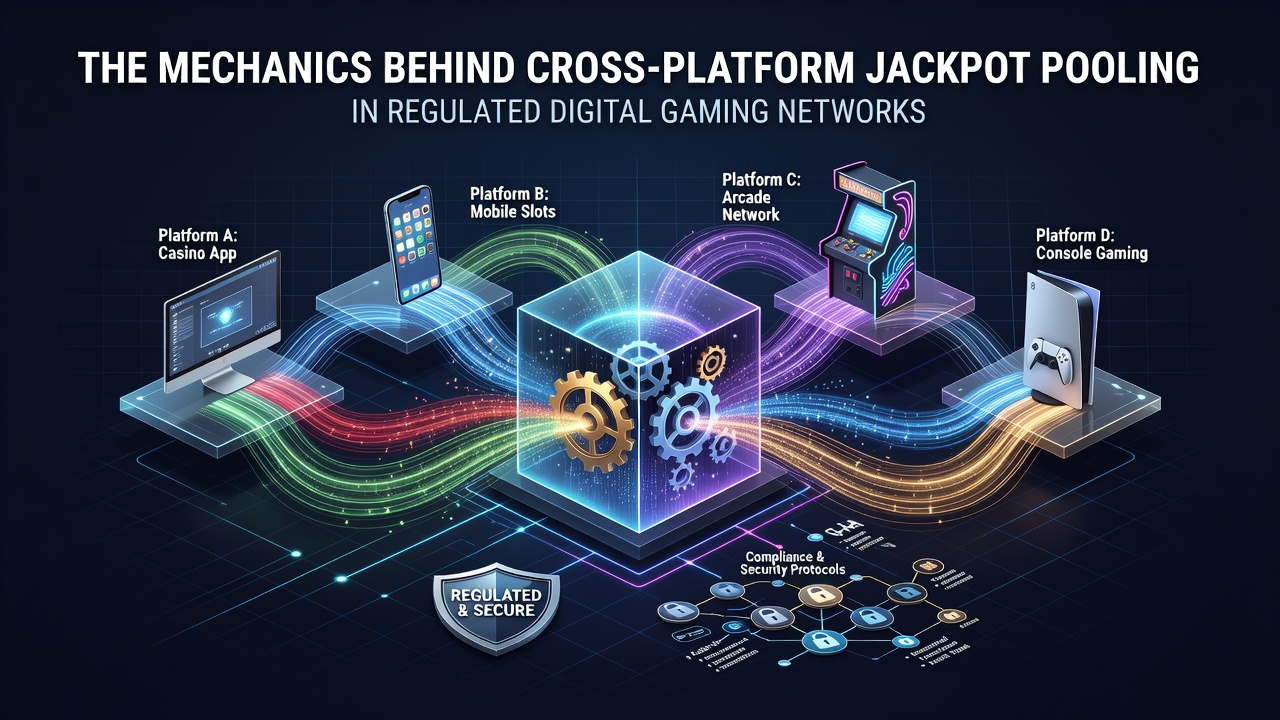
Cross-platform jackpot pooling connects separate gaming platforms so that player contributions accumulate into shared prize pools that span multiple operators and jurisdictions. Regulated networks rely on centralized servers to track contributions in real time while each participating site maintains its own local compliance layer. Data synchronization occurs through encrypted APIs that transmit contribution percentages and player activity without exposing personal identifiers across borders.
Core Technical Infrastructure
Operators feed a fixed percentage of each wager into the pool through secure gateways that verify the transaction before it reaches the central accumulator. Multiple platforms connect to this accumulator using standardized protocols developed by independent testing laboratories. As of August 2026 the International Association of Gaming Regulators reported that over 180 licensed operators across three continents now share at least one progressive pool through these gateways.
Each platform runs its own random number generator certified by bodies such as Gaming Laboratories International, yet the jackpot trigger logic sits on the shared server. When a qualifying combination appears the central system checks the total pool value and releases the prize according to pre-defined distribution rules. This separation keeps local game logic independent while the prize calculation remains uniform across every connected site.
Contribution Calculation and Pool Allocation
Contribution rates typically range from 0.5 percent to 3 percent of each eligible wager, with the exact figure set by the network operator and approved by the relevant regulatory authority. The central system records every micro-transaction in a distributed ledger that timestamps the entry and assigns it to the correct pool segment. Separate pools often exist for different game types or jackpot tiers, allowing networks to manage risk across several progressive levels simultaneously.
Allocation formulas divide the pool into seed amounts, reserve funds, and the current progressive total. Seed amounts replenish the pool after a win while reserve funds cover operational costs and regulatory fees. Observers note that networks frequently adjust these percentages during scheduled maintenance windows to maintain pool growth rates that stay attractive to players without exposing operators to excessive liability.
Regulatory Oversight Across Jurisdictions
Each participating jurisdiction imposes its own reporting requirements on the shared pool. Regulators in New Jersey and the Australian Capital Territory, for example, require daily reconciliation files that list every contribution by operator and game. These files undergo automated validation against the central ledger before submission. Discrepancies trigger an immediate audit flag that halts further contributions until the issue resolves.
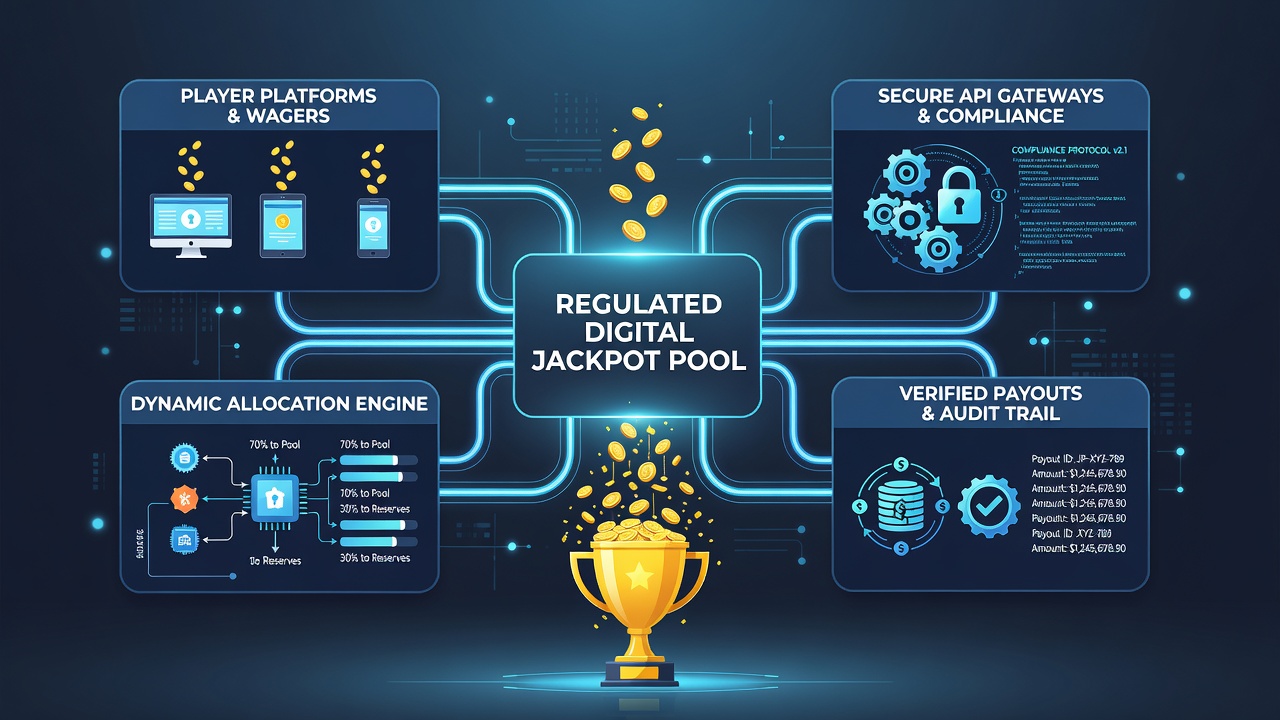
Cross-border data transfers follow strict encryption standards and data residency rules. Some networks store European player data on servers located within the EU while routing only anonymized contribution totals to the global accumulator. This architecture satisfies both the General Data Protection Regulation and the technical demands of real-time pooling.
Security Measures and Independent Auditing
Independent auditors conduct quarterly penetration tests on the central servers and review every code change that affects pool calculations. Multi-signature approval processes ensure that no single administrator can alter jackpot parameters without oversight from at least two other authorized parties. Transaction logs remain immutable for a minimum of seven years, allowing regulators to reconstruct any historical pool state on demand.
Researchers at the University of Nevada’s International Gaming Institute published findings in early 2026 that examined 14 months of pooled jackpot data across five networks. Their analysis confirmed that contribution reconciliation errors occurred in fewer than 0.003 percent of transactions when automated validation routines operated without interruption.
Operational Examples in Practice
One European network links slot games from 12 operators into a single progressive pool that resets at €2 million after each major win. The system processes roughly 4,800 contributions per second during peak evening hours. A separate North American network pools only video poker and blackjack progressives across three state lines, using a different contribution rate and trigger frequency to match local regulatory preferences.
Both examples rely on the same underlying architecture of certified generators, encrypted gateways, and tiered reserve funds, yet each tailors its parameters to the markets it serves. Network operators schedule coordinated maintenance windows so that all platforms update their local software versions on the same day, preventing version mismatches that could interrupt contribution flow.
Conclusion
Cross-platform jackpot pooling depends on synchronized technical systems, strict regulatory controls, and transparent auditing procedures that together maintain fairness across multiple operators and jurisdictions. The architecture separates local game execution from centralized prize calculation while preserving compliance with each participating authority’s rules. Data from 2026 shows continued expansion of these networks as more regulators approve standardized interfaces and encryption protocols.